 Skip to content
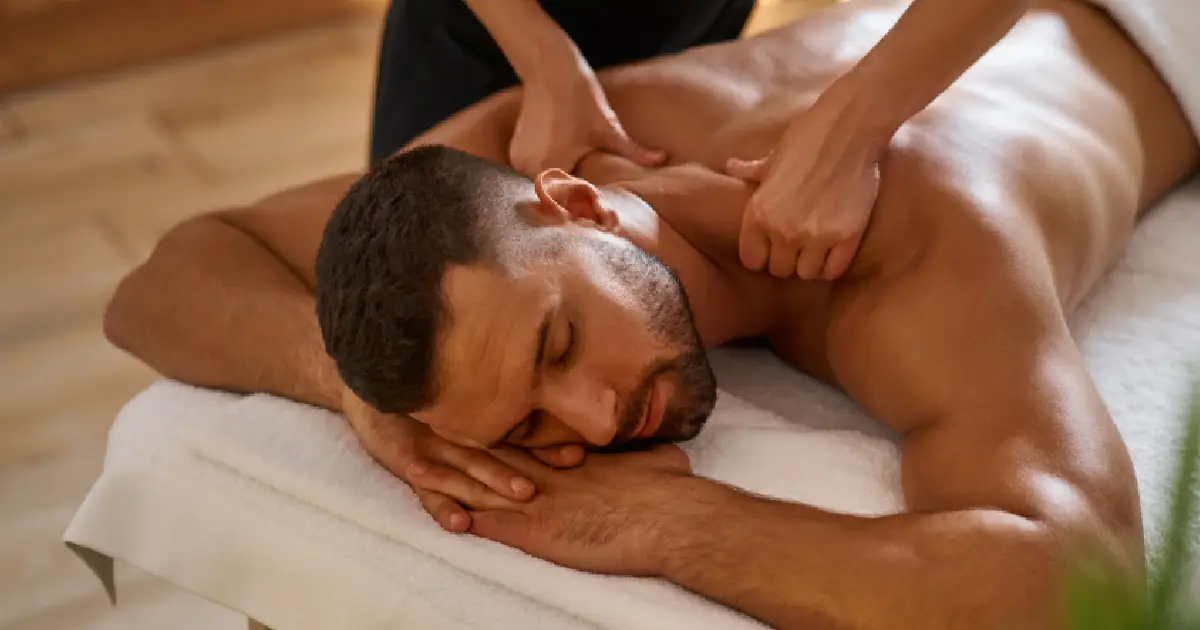


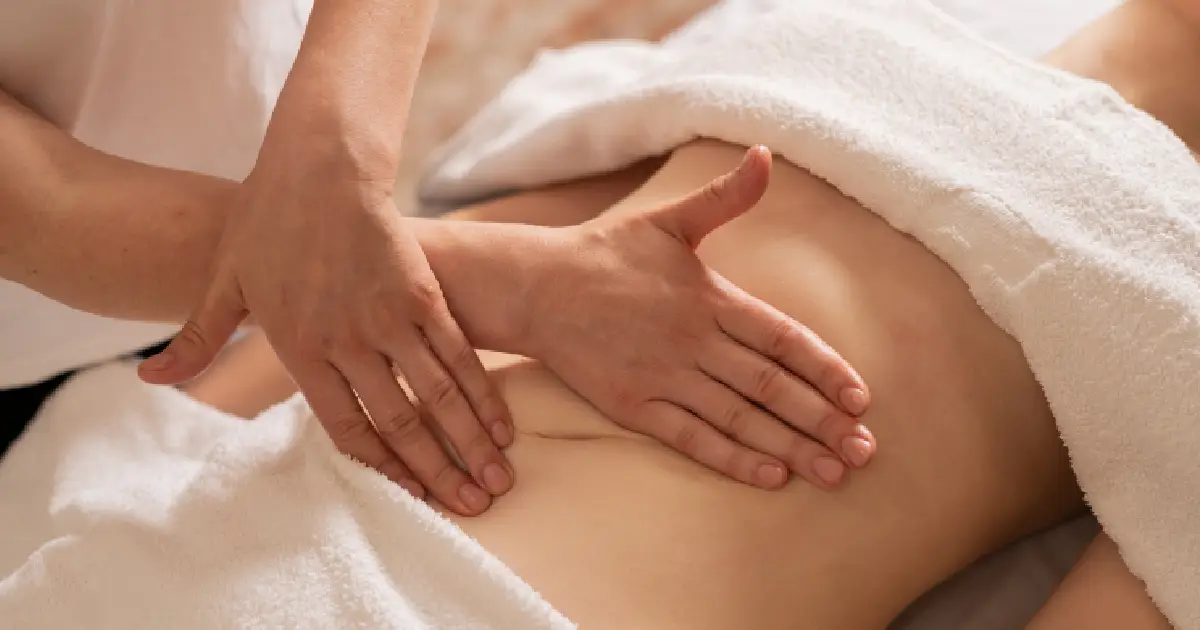


Table of Contents
Recovering after surgery may involve swelling, tightness, tenderness, and changes in how your body feels, which can make even small movements feel different for a while. At Equilibrium Handtherapy in Hollywood, FL, post-surgical lymphatic massages are designed to support your recovery with gentle, focused care that respects your current stage of healing.
What should you expect during a post-surgical massage?
You can expect a gentle, recovery-focused session that begins with a careful review of your surgery, healing stage, swelling, tenderness, and surgeon’s instructions. Treatment may include manual lymphatic drainage and supportive techniques such as ultrasound therapy, with pressure adjusted to your comfort and recovery needs.
What Is Post-Surgical Massage?
Post-surgical massage is commonly used after procedures that can leave the body swollen, tight, bruised, or tender. At Equilibrium Handtherapy, post-surgical lymphatic massages focus on supporting lymphatic flow, helping the body move excess fluid, easing stiffness, and promoting a more comfortable recovery process.
This type of care is usually much gentler than deep tissue massage. Instead of firm pressure or aggressive kneading, a post-surgery recovery massage often uses light, controlled movements that encourage drainage without placing unnecessary stress on healing tissue. Depending on your needs, your session may also include ultrasound therapy, which uses sound waves to support circulation, lymphatic drainage, and tissue comfort.
Post-surgical massage can be helpful, but it does not replace your surgeon’s instructions, medical follow-up, guidance on compression garments, or prescribed recovery plan. It works best as part of responsible aftercare.
When You May Be Ready To Start
The right time to begin lymphatic drainage massage after surgery depends on several factors, including the type of surgery you had, how your incisions are healing, your bruising, drainage, swelling, and your surgeon’s clearance. Some patients may be cleared within a few days, while others may need more time before massage is appropriate.
Before beginning care, Equilibrium Handtherapy may ask about your surgery date, procedure type, treatment areas, medications, use of compression garments, drains, pain level, and any instructions your surgeon gave you. This helps the session stay appropriate for your stage of recovery.
You may need to wait before scheduling if you have open incisions, active drainage concerns, signs of infection, fever, unusual or worsening pain, suspected blood clots, or if your surgeon has not cleared you for massage. The safest approach is to follow your medical provider’s guidance first, then use massage as supportive recovery care when appropriate.
What Happens Before The Massage Begins
Before hands-on treatment starts, your provider will typically take time to understand what your body has been through. This may include reviewing the type of surgery, when it was performed, which areas feel swollen or tight, where you feel numb or sensitive, and which areas to avoid.
You may also be asked about bruising, incision locations, compression garments, drains, medications, and your current pain level. These details are important because massage for surgical recovery should be adjusted around healing tissue, not forced into a fixed routine.
Positioning is also part of the process. If lying flat, turning over, or applying pressure to a specific area feels uncomfortable, your provider can adjust your position. Modest draping, communication, and comfort should be discussed before treatment begins so you know what to expect and can relax as much as possible during the session.
What Does The Massage Feel Like During Treatment?
A post-surgical massage should feel light, controlled, and intentional. Many patients expect it to feel like a traditional massage, but a healing after surgery massage is usually much softer. The pressure is often gentle because the focus is on lymphatic flow, swelling support, and tissue comfort rather than deep muscle work.
You may feel mild tenderness, tightness, warmth, swelling, or numbness in certain areas, especially early in recovery. Some areas may feel more sensitive than others. Your provider may work around the surgical site rather than directly over incisions, depending on your healing stage and the procedure performed.
If ultrasound therapy is used, the experience may feel warm or soothing as the device moves over the treatment area. This may be recommended to support circulation, lymphatic drainage, and tissue mobility in areas with swelling or firmness.
Pain should not be ignored during your session. If something feels sharp, intense, or too uncomfortable, speak up right away. Your provider can adjust pressure, position, or the treatment area.
What To Expect Right After Your Session?
After a session, some patients feel lighter, less tight, or more comfortable in the treated areas. Others may notice that swelling feels different as fluid shifts. In early recovery, swelling can fluctuate from day to day, so a single session should not be considered the final measure of progress.
You may also experience temporary tenderness, mild soreness, or an increased need to urinate after treatment. These responses can happen as the body processes fluid movement. Gentle movement, hydration, rest, and proper use of a compression garment may support the work done during your session, as long as these steps align with your surgeon’s instructions.
A good post-care plan should feel realistic. You should leave knowing what to monitor, what is normal for your stage of healing, and when to reach out with concerns.
How Many Sessions Do You Need?
The number of post-surgical lymphatic massages you may need depends on your procedure, swelling level, bruising, scar tissue concerns, fibrosis risk, comfort, mobility, and overall healing progress. Someone recovering from liposuction may have different needs than someone recovering from facial surgery, breast surgery, or surgery involving the hands, feet, or pelvic region.
Early in recovery, some patients benefit from more frequent sessions, then gradually space visits out as swelling and tightness improve. Your provider should reassess at each visit rather than repeat the same session every time.
Recovery is not always a straight line. Some days may feel easier, while other days may bring more swelling or sensitivity. Your treatment plan should respond to how your body is healing, not just how many days have passed since surgery.
Feel More Supported During Recovery
Post-surgical recovery can bring many questions, especially when your body feels swollen, tender, or different from what you expected. At Equilibrium Handtherapy, our approach to Post-Surgical Lymphatic Massages in Hollywood, FL is gentle, specific, and centered on helping you feel more informed and comfortable as you heal. To get started with supportive care after surgery, book your post-surgical massage today.